
Leading Foundation Repair Materials To Address Common Structural Problems
Identify high-quality products that help resolve foundation settling, cracking, and other structural concerns effectively.
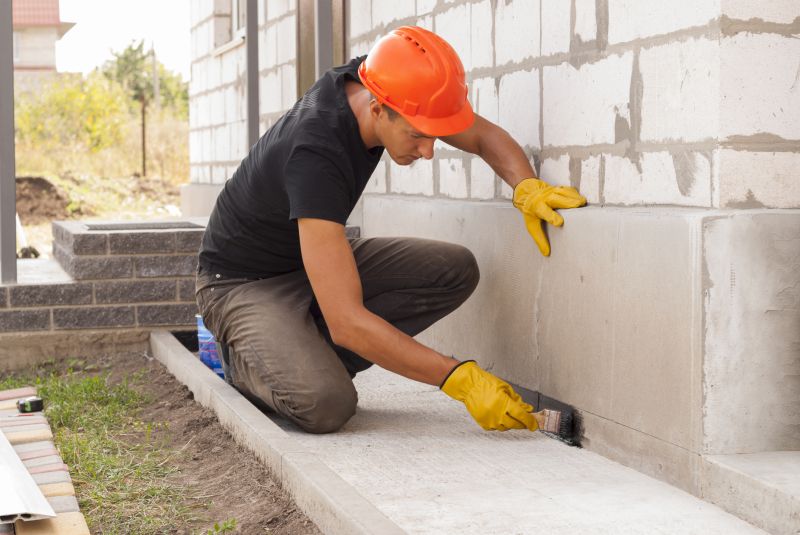 Foundation repairs are a critical aspect of maintaining the structural integrity of a building, especially in areas like Farmington, MN, where soil conditions and weather patterns can influence foundation stability. A variety of products are available to address different types of foundation issues, from minor cracks to significant settling or shifting. Selecting the right products depends on the specific needs of the project, the extent of the damage, and the underlying soil conditions. Proper application and use of quality materials can help prolong the lifespan of a foundation and prevent further complications.
Top Overall Option
Polyurethane Injection Kits
Polyurethane injection kits are versatile and commonly used for sealing cracks and stabilizing minor foundation shifts. They are easy to apply and can expand to fill gaps, providing a flexible seal that accommodates slight movements. These kits are suitable for small to medium repairs and can help prevent water intrusion and further deterioration. Proper application ensures a more durable, long-lasting fix, making them a popular choice for many homeowners and contractors alike.
Types of Products For Foundation Repairs
Concrete Patching and Crack Fillers
Designed to repair small cracks and surface damage, these fillers restore the integrity of concrete surfaces and prevent water penetration.
Carbon Fiber Reinforcement Strips
Used to strengthen and stabilize cracked or bowed walls, these strips are bonded to the interior or exterior of foundations.
Push Piers
A foundation support system that lifts and stabilizes sinking or settling foundations by transferring the load to deeper, stable soil layers.
Helical Piers
These are screwed into the ground to provide foundation stabilization, especially in areas with unstable soil conditions.
Underpinning Systems
Various underpinning products are used to strengthen and stabilize foundations that have shifted or settled.
Waterproofing Membranes
Applied to exterior foundation walls, these membranes prevent water intrusion and protect against moisture-related damage.
Drainage Systems
Including French drains and sump pumps, these systems help manage water around the foundation, reducing soil pressure.
Soil Stabilizers
Materials designed to improve soil conditions around the foundation, minimizing shifting and settling.
Injection Grouts
Used to fill voids and stabilize soil or cracks, these grouts can be customized for different repair needs.
Polyurethane Foam
Flexible foam used to lift and stabilize sinking slabs and fill voids beneath foundations.
Epoxy Injection Kits
Suitable for repairing cracked concrete and bonding broken sections, providing structural reinforcement.
Steel Push Rods
Components used in underpinning systems to transfer weight and stabilize foundations.
Grout Pumps
Tools used to inject grout or foam into cracks or voids during repair procedures.
Foundation Braces and Supports
Structural supports that help reinforce weak or compromised foundation walls.
Vapor Barriers
Installed to control moisture vapor transmission, protecting foundations from moisture damage.
Soil Moisture Control Products
Devices and materials that help regulate soil moisture levels around the foundation.
Popular Choices
Widely used for stabilizing sinking foundations, these piers are driven deep into stable soil layers.
Commonly applied for sealing small cracks and preventing water entry, these sealants are easy to use.
Popular for interior wall stabilization, these strips provide additional support for cracked or bowing walls.
Essential for managing water accumulation around the foundation, helping to reduce hydrostatic pressure.
Effective drainage solutions that divert water away from the foundation to prevent moisture buildup.
Frequently used for repairing cracks in concrete, restoring structural integrity.
Applied to foundation exteriors, these membranes help prevent water infiltration and related issues.
Used to improve soil stability around foundations, reducing the risk of shifting.
Support systems that extend the foundation to deeper, more stable soil layers.
Installed to control moisture vapor transmission, protecting foundation walls.
Help reinforce and stabilize foundation walls, especially in cases of bowing or cracking.
Applied to exterior foundation surfaces to prevent water penetration and damage.
Devices that monitor soil conditions around the foundation to prevent excessive moisture fluctuations.
Used for lifting and leveling uneven slabs or foundations during repair work.
Tools for injecting grout into soil or cracks to reinforce and stabilize foundation structures.
When considering foundation repair products, it's important to understand the different methods and their purposes. Some products are designed to lift and stabilize sinking foundations, while others focus on sealing cracks and preventing water intrusion. Many repair solutions are engineered to be durable and resistant to environmental factors, ensuring long-term performance. Consulting with a foundation specialist can help determine the most suitable products for your situation.
In residential settings, DIY repair kits may be available for minor issues, but larger or more complex problems often require professional intervention. Using the appropriate products correctly can enhance the safety and stability of your property. Regular inspections and timely repairs can mitigate more costly damage down the line, making the right product choices an essential part of property maintenance in Farmington, MN.
Key Buying Considerations
- Assess the extent and type of foundation damage before selecting products.
- Consider the soil conditions and how they may influence repair choices.
- Determine whether professional installation or DIY application is appropriate for your project.
- Choose products that are compatible with existing foundation materials.
- Evaluate the durability and resistance of repair materials to environmental factors.
- Check for ease of application and whether special tools or skills are required.
- Review product specifications for load-bearing capacity and longevity.
- Ensure that waterproofing and moisture control products are suitable for your climate.
- Consider the size and accessibility of the repair area when selecting products.
- Verify that the repair products meet local building codes and safety standards.
- Factor in the potential need for ongoing maintenance or monitoring solutions.
- Look for products with good user reviews and proven performance in similar conditions.
- Budget appropriately for both materials and professional services if needed.
- Consult with a foundation repair specialist to confirm product suitability.
- Plan for future inspections to monitor the effectiveness of repairs.